Buy autoplin.eu ?
We are moving the project
autoplin.eu .
Are you interested in purchasing the domain
autoplin.eu ?
domain@kv-gmbh.de · 0541-91531010
Buy autoplin.eu ?
What is the yellow material under the wallpaper?
The yellow material under the wallpaper is likely the original adhesive or primer that was applied to the wall before the wallpaper was installed. This material can turn yellow over time due to exposure to light, moisture, or aging. It is common to see this yellow material when removing old wallpaper as it can be left behind on the wall surface. **
How do yellow stains form along the non-woven wallpaper seams after wallpapering?
Yellow stains can form along non-woven wallpaper seams after wallpapering due to a variety of reasons. One common cause is moisture getting trapped between the seams during the wallpapering process, leading to mold or mildew growth. Another reason could be the use of low-quality adhesive or improper application techniques, causing discoloration over time. Additionally, if the walls were not properly cleaned or primed before wallpapering, this can also contribute to the formation of yellow stains along the seams. **
Similar search terms for The Yellow Wallpaper
Top-Angebote
Products related to The Yellow Wallpaper:
-
Friendly Fresh Finds Sanitary Wrench Installation Tool For Faucet & Pipe Maintenance Multi Functional Plumbing Solution yellowThe Sanitary Wrench Installation Tool is an essential companion for anyone looking to simplify their home plumbing maintenance. Perfect for homeowners, DIY enthusiasts, and professional plumbers, this tool provides an efficient, hasslefree solution...31,97 $*Shipping: 0,00 $Secure redirect to the provider


-
What is the difference between textured wallpaper, embossed wallpaper, and foam wallpaper?
Textured wallpaper has a raised design that can be felt when touched, adding depth and dimension to a wall. Embossed wallpaper also has a raised design, but it is typically more subtle and can be painted over easily. Foam wallpaper is made from a soft, cushiony material that adds a tactile element to a room and can help with soundproofing. Each type of wallpaper offers a unique look and feel, allowing for different design possibilities. **
-
What is the difference between textured wallpaper, structured wallpaper, and foam wallpaper?
Textured wallpaper typically has a raised design or pattern that can be felt when touched, adding depth and dimension to a wall. Structured wallpaper, on the other hand, has a more defined pattern or design that is often embossed or engraved onto the surface, creating a more uniform and precise look. Foam wallpaper is made from a soft, cushion-like material that provides a tactile and three-dimensional effect, offering a unique texture and feel to the wall. Each type of wallpaper offers a different aesthetic and can be used to achieve various design goals in a space. **
-
Can you wallpaper over regular wallpaper with non-woven wallpaper?
Yes, you can wallpaper over regular wallpaper with non-woven wallpaper. Non-woven wallpaper is designed to be easy to install and remove, making it a good option for covering existing wallpaper. Before applying the new wallpaper, it is important to ensure that the existing wallpaper is in good condition, free of any bubbles or tears. Additionally, it is recommended to use a primer before applying the new wallpaper to ensure proper adhesion. **
-
Which wallpaper is better: embossed wallpaper or non-woven wallpaper?
The choice between embossed and non-woven wallpaper depends on personal preference and the specific needs of the space. Embossed wallpaper has a textured surface that adds depth and dimension to a room, making it a popular choice for adding visual interest. On the other hand, non-woven wallpaper is durable, easy to install, and can be easily removed without damaging the wall, making it a practical option for high-traffic areas or rental properties. Ultimately, the decision between the two types of wallpaper should be based on the desired aesthetic and the practical requirements of the space. **
Why does the yellow check engine light come on after refueling?
The yellow check engine light may come on after refueling due to a loose gas cap. When the gas cap is not tightened properly after refueling, it can cause the check engine light to illuminate as a warning that there may be a problem with the fuel system. This is a common issue and can be easily resolved by ensuring the gas cap is securely tightened after refueling. If the light persists, it may indicate a different issue with the vehicle's fuel system that should be checked by a mechanic. **
Does wallpaper stick to textured wallpaper?
Yes, wallpaper can stick to textured wallpaper, but it may require some extra effort and the right adhesive. The texture of the existing wallpaper may affect the smoothness of the surface, so it's important to choose a wallpaper adhesive that is strong enough to adhere to the texture. Additionally, it may be helpful to use a primer or sealer to create a smoother surface for the new wallpaper to adhere to. Overall, with the right preparation and adhesive, it is possible to successfully apply wallpaper over textured wallpaper. **
Top-Angebote
Products related to The Yellow Wallpaper:
-
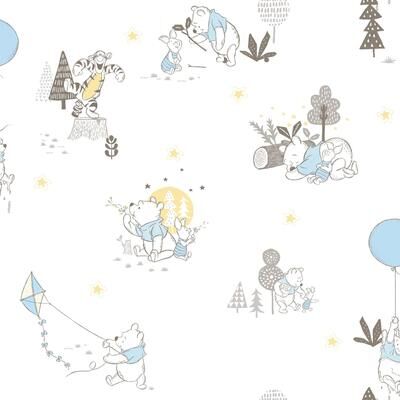
York Wallcoverings Disney Winnie the Pooh Playmates Yellow WallpaperThis colorful pattern is sure to add high impact to your kids space. This Disney Winnie the Pooh Playmates Wallpaper measures approximately 20.5 inches wide by 33 feet long, covering About 56.4 square feet per roll.110,50 $*Shipping: 0,00 $Secure redirect to the provider
-
Friendly Fresh Finds Sanitary Wrench Installation Tool For Faucet & Pipe Maintenance Multi Functional Plumbing Solution yellowThe Sanitary Wrench Installation Tool is an essential companion for anyone looking to simplify their home plumbing maintenance. Perfect for homeowners, DIY enthusiasts, and professional plumbers, this tool provides an efficient, hasslefree solution...31,97 $*Shipping: 0,00 $Secure redirect to the provider
-
What is the yellow material under the wallpaper?
The yellow material under the wallpaper is likely the original adhesive or primer that was applied to the wall before the wallpaper was installed. This material can turn yellow over time due to exposure to light, moisture, or aging. It is common to see this yellow material when removing old wallpaper as it can be left behind on the wall surface. **
-
How do yellow stains form along the non-woven wallpaper seams after wallpapering?
Yellow stains can form along non-woven wallpaper seams after wallpapering due to a variety of reasons. One common cause is moisture getting trapped between the seams during the wallpapering process, leading to mold or mildew growth. Another reason could be the use of low-quality adhesive or improper application techniques, causing discoloration over time. Additionally, if the walls were not properly cleaned or primed before wallpapering, this can also contribute to the formation of yellow stains along the seams. **
-
What is the difference between textured wallpaper, embossed wallpaper, and foam wallpaper?
Textured wallpaper has a raised design that can be felt when touched, adding depth and dimension to a wall. Embossed wallpaper also has a raised design, but it is typically more subtle and can be painted over easily. Foam wallpaper is made from a soft, cushiony material that adds a tactile element to a room and can help with soundproofing. Each type of wallpaper offers a unique look and feel, allowing for different design possibilities. **
-
What is the difference between textured wallpaper, structured wallpaper, and foam wallpaper?
Textured wallpaper typically has a raised design or pattern that can be felt when touched, adding depth and dimension to a wall. Structured wallpaper, on the other hand, has a more defined pattern or design that is often embossed or engraved onto the surface, creating a more uniform and precise look. Foam wallpaper is made from a soft, cushion-like material that provides a tactile and three-dimensional effect, offering a unique texture and feel to the wall. Each type of wallpaper offers a different aesthetic and can be used to achieve various design goals in a space. **
Similar search terms for The Yellow Wallpaper
-
Can you wallpaper over regular wallpaper with non-woven wallpaper?
Yes, you can wallpaper over regular wallpaper with non-woven wallpaper. Non-woven wallpaper is designed to be easy to install and remove, making it a good option for covering existing wallpaper. Before applying the new wallpaper, it is important to ensure that the existing wallpaper is in good condition, free of any bubbles or tears. Additionally, it is recommended to use a primer before applying the new wallpaper to ensure proper adhesion. **
-
Which wallpaper is better: embossed wallpaper or non-woven wallpaper?
The choice between embossed and non-woven wallpaper depends on personal preference and the specific needs of the space. Embossed wallpaper has a textured surface that adds depth and dimension to a room, making it a popular choice for adding visual interest. On the other hand, non-woven wallpaper is durable, easy to install, and can be easily removed without damaging the wall, making it a practical option for high-traffic areas or rental properties. Ultimately, the decision between the two types of wallpaper should be based on the desired aesthetic and the practical requirements of the space. **
-
Why does the yellow check engine light come on after refueling?
The yellow check engine light may come on after refueling due to a loose gas cap. When the gas cap is not tightened properly after refueling, it can cause the check engine light to illuminate as a warning that there may be a problem with the fuel system. This is a common issue and can be easily resolved by ensuring the gas cap is securely tightened after refueling. If the light persists, it may indicate a different issue with the vehicle's fuel system that should be checked by a mechanic. **
-
Does wallpaper stick to textured wallpaper?
Yes, wallpaper can stick to textured wallpaper, but it may require some extra effort and the right adhesive. The texture of the existing wallpaper may affect the smoothness of the surface, so it's important to choose a wallpaper adhesive that is strong enough to adhere to the texture. Additionally, it may be helpful to use a primer or sealer to create a smoother surface for the new wallpaper to adhere to. Overall, with the right preparation and adhesive, it is possible to successfully apply wallpaper over textured wallpaper. **
* All prices are inclusive of VAT and, if applicable, plus shipping costs. The offer information is based on the details provided by the respective shop and is updated through automated processes. Real-time updates do not occur, so deviations can occur in individual cases. ** Note: Parts of this content were created by AI.